Soup
Embedded Files
If a steaming bowl of soup strikes you as the ultimate in old-fashioned comfort, you’ve got plenty of company.
Soup is one of the world’s oldest and most universal foods, said Janet Clarkson, author of the book “Soup: A Global History.”
“Every culture has some kind of soup,” she said. “It’s got very ancient roots.” Early people simmered it in everything from turtle shells to lengths of bamboo, she writes in the book, turning out metal soup pots starting in the Bronze Age.
Historically
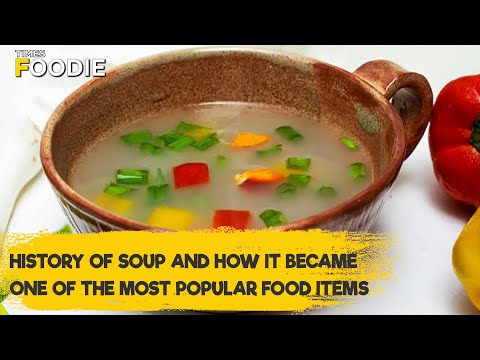
It is believed that the first bowl of soup was prepared around 20,000 BC. It is assumed that early people began cooking broths as soon as they discovered making mud vessels or clay pots. Some historical documents state that soups had become part of the regular menu in many civilizations from 6000 BC onwards.
Boiling was not a common cooking technique until the invention of waterproof containers (which probably came in the form of clay vessels). Animal hides and watertight baskets of bark or reeds were used before this. To boil the water hot rocks were used. This method was also used to cook acorns and other plants.
In the US, the first colonial cookbook was published by William Parks in Williamsburg, Virginia, in 1742, based on Eliza Smith's The Compleat Housewife; or Accomplished Gentlewoman's Companion, and it included several recipes for soups and bisques. A 1772 cookbook, The Frugal Housewife, contained an entire chapter on the topic. English cooking dominated early colonial cooking; but as new immigrants arrived from other countries, other national soups gained popularity.
In Our Story
In "The Tale of Despereaux," soup symbolizes love, comfort, and community, particularly after Queen Rosemary's death, when King Phillip bans it, highlighting the absurdity of love and the power of food to bring people together.
Because he lost the person he loved most, he tries to express his love and his grief for her by taking soup away from everyone—everyone will then have to share in his loss and hopefully understand the depth of his grief.
As the narrator notes, the king’s action is absurd, but this only reinforces the narrator’s assertion that love itself is absurd.
However, making soup illegal doesn’t stop soup from being a positive thing capable of bringing people (and mice and rats) together. After the Princess Pea goes missing, Cook sneakily makes soup late at night. When Despereaux comes upon her stirring the soup, the soup pot’s steam seems to create a halo around Cook’s head, suggesting that the soup can make even a hard, violent woman like Cook seem helpful and angelic. And Cook then goes on to set aside her hatred of mice to give Despereaux some soup, thereby giving him the physical and emotional strength he needs to brave the dungeon and rescue the princess. Soup creates an improbable alliance between Cook and Despereaux, highlighting its ability to bridge divides.
Later, in the dungeon, Roscuro finally reveals his true plan and his true desires (he wants to possess light for himself) once he smells the soup on Despereaux’s whiskers—it leads him to essentially confess his sins and ask for help, and it stops him from continuing down his evil path.
And when the Pea forgives Roscuro for his actions, it’s significant that she invites him upstairs to eat soup together.
The novel’s final chapter details a meal of soup shared by the king, the princess, Mig, Roscuro, and Despereaux.
The soup itself—and the love and forgiveness it represents—brings several unlikely friends together around the same table, highlighting again its ability to create community.
Kinds of Soup Around the World
Here is a link to an interesting site with lots of soup info!! https://video.link/w/lupg4umxOwY


African Peanut Stew
Creamy, satisfying, and lightly spicy, you’ll soon see why soul-soothing peanut butter and sweet potato are a match made in vegan heaven.
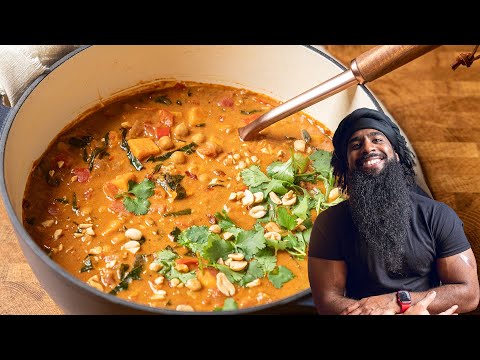
Katzen specifically calls out a recipe from Sierra Leone as the inspiration for the recipe she shares, groundnut stews—groundnut is another word for peanut—are a traditional part of the cuisine of many West African countries, including Gambia and Ghana.
These classic groundnut stew recipes of course vary a bit from household to household, city to city, country to country.
Ramen
What Is Ramen?
What Is Ramen?
Ramen is a type of Japanese noodle soup. Once a simple street food, it’s now become a gourmet phenomenon around the world. Every bowl of ramen has three main components:
Broth: A good bowl of ramen begins with a hearty, flavorful broth. Most broths begin with a combination of Japanese soup stock, or “dashi,” and chicken or pork stock. Each ramen chef uses a different “tare,” or flavoring base, that they add to each bowl of broth before serving.
Noodles: Ramen noodles contain wheat flour, salt, water and a special alkaline water called “kansui.” “Kansui” is what gives the noodles their unique flavor and springy texture. Noodle shape and thickness often change depending on the type of ramen you’re eating.
Toppings: Ramen chefs artfully arrange each bowl with toppings like fried veggies, sliced meat and sheets of seaweed before serving.
There are four main ramen varieties named after the type of broth they use:
Shoyu: Shoyu is the original type of ramen. It features a soy-based broth flavored with soy sauce, mirin, pork or chicken stock, and rice vinegar. Some of the most common toppings for shoyu ramen are marinated soft-boiled eggs, bamboo shoots, corn and bean sprouts.
Shio: Shio ramen features a clear broth heavily seasoned with salt. It can feature elements from other types of ramen, such as braised pork cutlets, but the salty broth is the key element.
Miso: This type of ramen features a miso broth base that also includes ground pork, vegetables and chicken stock. Miso ramen has a delicious umami flavor.
Tonkotsu: Tonkotsu ramen features a rich pork broth that’s incredibly famous in Japan and worldwide. This broth type isn’t to be confused with “tonkatsu,” which refers to fried pork cutlet.
Dal
Ingredients
Ingredients
1 1/2 cups dried red lentils, rinsed
2 tablespoons neutral cooking oil, such as canola, divided
1 small onion, diced
1 medium tomato, diced
1 (1/2-inch) piece ginger, grated
1/2 teaspoon ground turmeric
6 cups loosely packed shredded greens, such as beet greens, spinach, or swiss chard
Salt
1/2 teaspoon whole cumin seeds
1 clove garlic, smashed, but left whole
Instructions
Instructions
Place the red lentils in a large saucepan and add enough water to cover them. Bring the water to a boil, skimming off any scum that rises to the top, then turn down the heat and simmer until creamy and tender, about 20 minutes. Meanwhile, cook the vegetables.
Heat 1 tablespoon of the oil in a large frying pan over medium-high heat until shimmering. Add the onion and fry gently until translucent and beginning to brown, about 5 minutes. Add the tomatoes and ginger, and cook until tomatoes soften, about 3 minutes. Stir in the turmeric. Stir in the greens and let them wilt, about 5 minutes.
Stir in the onion-tomato-greens into the dal, and simmer for a few minutes to warm through. Season to taste with the salt.
Heat the remaining 1 tablespoon of oil in a small frying pan over medium-high heat until shimmering. Add the cumin seeds and garlic clove. Fry until the cumin sizzles, about 30 seconds, then turn off the heat and pour the seasoned oil, cumin seeds, and garlic into the dal. Cover and let it infuse for a few minutes. Stir before serving, and serve hot with rotis and salad.
Read Alouds


Page updated
Google Sites
Report abuse