Embedded Files
✨ My Learning Journey in the Flipped Classroom
✨ My Learning Journey in the Flipped Classroom
My journey in understanding and applying the flipped classroom approach has been both eye-opening and rewarding. At first, I saw it simply as a method of switching homework and classwork. However, I’ve come to realize it’s much more than that — it’s about transforming how students engage with learning. I’ve learned to design meaningful pre-class materials and plan in-class activities that foster deeper understanding, collaboration, and critical thinking. Through this journey, I’ve gained new digital skills, discovered creative tools, and built greater confidence in creating a more student-centered learning environment. I look forward to refining my practice and seeing positive outcomes in my classroom.
UNIT 4: REVISITING EDPUZZLE
UNIT 4: REVISITING EDPUZZLE
- Create 5 questions based on the video
Example:
Is Europe the smallest continent? [0:22]
A) Yes
B) No
✅ Correct answer: B) No
What is the smallest nation in Europe? [0:41]
A) Monaco
B) Andorra
C) Vatican City
D) Liechtenstein
✅ Correct answer: C) Vatican City
If you're not afraid of heights, where can you visit when you're in Europe? [1:15]
A) Eiffel Tower
B) Alps
C) Colosseum
D) Matterhorn
✅ Correct answer: D) Matterhorn
When was Colosseum in Rome, Italy is built? [1:50]
A) Almost 2,000 years ago
B) 500 years ago
C) In the 1800s
D) 100 years ago
✅ Correct answer: A) Almost 2,000 years ago
Name three amazing animals that you can find in Europe? [2:25]
A) Kangaroo, tiger, toucan
B) Brown bear, lynx, golden eagle
C) Panda, camel, dolphin
D) Penguin, cobra, buffalo
✅ Correct answer: B) Brown bear, lynx, golden eagle
2. A word that my pupils may have difficulties comprehending and suggested solutions.
2. A word that my pupils may have difficulties comprehending and suggested solutions.
Word: Continent
🌍 Use Visuals:
Show a world map or globe.
Highlight and label all 7 continents, especially Europe.
Use colour coding or flags to make it more engaging.
🏷️ Real-Life Examples:
Ask: “Do you know which continent Malaysia is in?” (Answer: Asia)
Compare with Europe – “Europe is far from us and has countries like France and Germany.”
3. Based on the previous video, choose the appropriate content standard , focus and learning standard that can you use to utilise the video for a lesson. Justify your choice.
3. Based on the previous video, choose the appropriate content standard , focus and learning standard that can you use to utilise the video for a lesson. Justify your choice.
✅ Content Standard:
✅ Content Standard:
1.2 Understand meaning in a variety of familiar contexts
✅ Learning Standard:
✅ Learning Standard:
1.2.2 Understand with support specific information and details of longer simple texts on a range of familiar topics
✅ Justification:
✅ Justification:
The video is a short, visually rich documentary that provides key facts about Europe — such as landmarks, countries, natural features, animals, and historical facts.
It is spoken clearly with supportive visuals, which helps scaffold understanding even for learners with limited proficiency.
Pupils will be able to:
Identify the main idea (Europe as a continent with diverse features)
Recall specific facts (e.g., number of countries, famous landmarks, animals)
Build world knowledge while practising listening skills in an engaging way
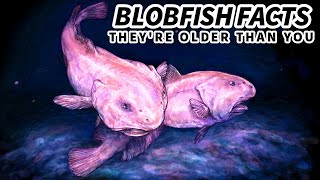

4. My 'before class' activity plan for the Edpuzzle quiz I created.
4. My 'before class' activity plan for the Edpuzzle quiz I created.
📝 Before Class Activity Plan – Edpuzzle Quiz
📝 Before Class Activity Plan – Edpuzzle Quiz
Topic: Blobfish
Tool Used: Edpuzzle
Objective: To introduce the key concept and allow students to gain a basic understanding before class.
Instructions for Students:
Watch the assigned Edpuzzle video at home.
Answer all the embedded quiz questions while watching. The video will pause automatically for each question.
Take notes on any parts you find confusing or want to discuss further in class.
Submit the completed video quiz before [insert date/time].
Purpose:
This activity ensures students arrive in class with a foundational understanding of the topic. It allows them to engage more confidently in classroom tasks such as group activities, games, and discussions, while I can focus on addressing individual needs and clarifying misunderstandings.
UNIT 5: SCREENCASTING TOOLS
UNIT 5: SCREENCASTING TOOLS
 Superlative Adjectives.mp4
UNIT 6: VIDEO EDITING TOOLS
UNIT 6: VIDEO EDITING TOOLS

Page updated
Report abuse