Embedded Files
Why Mindfulness?
Why Mindfulness?
Teaching Mindfulness to Teens: 5 Ways to Get Buy In: http://leftbrainbuddha.com/teaching-mindfulness-to-teens-5-ways-get-buy/
Why Mindfulness Is a Superpower: An Animation: https://www.youtube.com/watch?v=w6T02g5hnT4
The Scientific Power of Meditation: https://www.youtube.com/watch?v=Aw71zanwMnY : Meditation is only one way to practice mindfulness but it’s fun info for kids to know how it actually impacts their brain. There are other cool meditation videos on YouTube, but be sure to watch them prior to showing your children, just in case.
Mindfulness Animated in 3 minutes: https://www.youtube.com/watch?v=mjtfyuTTQFY
 Copy of Seven Activities for Five Minute Mindfulness.pdfSelfRegulationandManagementSELFREEBalloonBreathingPosters.pdfMindfulnessSummerChallenge.pdfONMYMINDTODAYAnxiety.pdfMindfulMinuteBreathingBreaksFREEBIE.pdf
Deep Breathing and Body Scan
Deep Breathing and Body Scan
Deep breathing (‘belly breathing’) is one of the easiest and quickest ways to relax, as it can be done anywhere and at anytime. It allows children to visit their ‘calm center’ whenever they start to feel overwhelmed by stress. In order to help children understand deep breathing, you can:
Describe the difference between how we breathe when we are stressed (fast and shallow) and how we can breathe when we are relaxed (slow and deep).
Fast/shallow breathing is breathing that comes from your chest, while deep/slow breathing comes from your stomach/belly.
There are different ways to do deep breathing and you and children can decide on which one they like or want to do that day. Just breathing deeply also helps.
Breath—five minutes can change your life: Stacey Schuerman TEDxChapmanU: https://www.youtube.com/watch?v=hFcQpNr_KA4 (the guiding starts at 1:45 and lasts through 8:15)
4-7-8 Deep Breathing Sample Script (Adjust the speed of the counts as needed if they have difficulty):
Relax your body. Put your tongue behind your front teeth to relax your jaws.
You can close your eyes or keep them open if you feel more comfortable that way.
Close your mouth and inhale through your nose for 4 counts…2…3…4
Keep your mouth closed and hold your breath for 7 counts…2…3…4…5…6…7
Open your mouth and exhale out of your mouth like a sigh for 8 counts….2…3…4…5…6…7…8
GoZen Mindfulness Meditation for kids: https://www.youtube.com/playlist?list=PL74fOsUPmepxeNuIISeiL3W_Or4gjDUj8
Guided Meditation
Guided Meditation
Progressive Muscle Relaxation
Progressive Muscle Relaxation
Progressive muscle relaxation (PMR) is a method of systematically tensing and relaxing muscle groups throughout the body. There are different ways to do it too so you can pick the method that works best for you and your children!
PMR Sample Script:
Close your eyes. Relax your entire body. Imagine that your muscles are limp.
Flex the muscles in your feet while you keep the rest of your body relaxed. Hold for 5 seconds and do not release.
Continue to flex other muscles groups one at a time. Remember to keep parts of your body relaxed until it is time to flex them. Here we go…calves…thighs… stomach…chest…arms…hands…face…until your entire body is tense.
Hold your entire body tense for 5 seconds then release all the tension.
Relax, breathe slowly and deeply, and imagine your body melting.
Get up slowly when ready and shake out your hands, arms, and legs.
Sit back down.
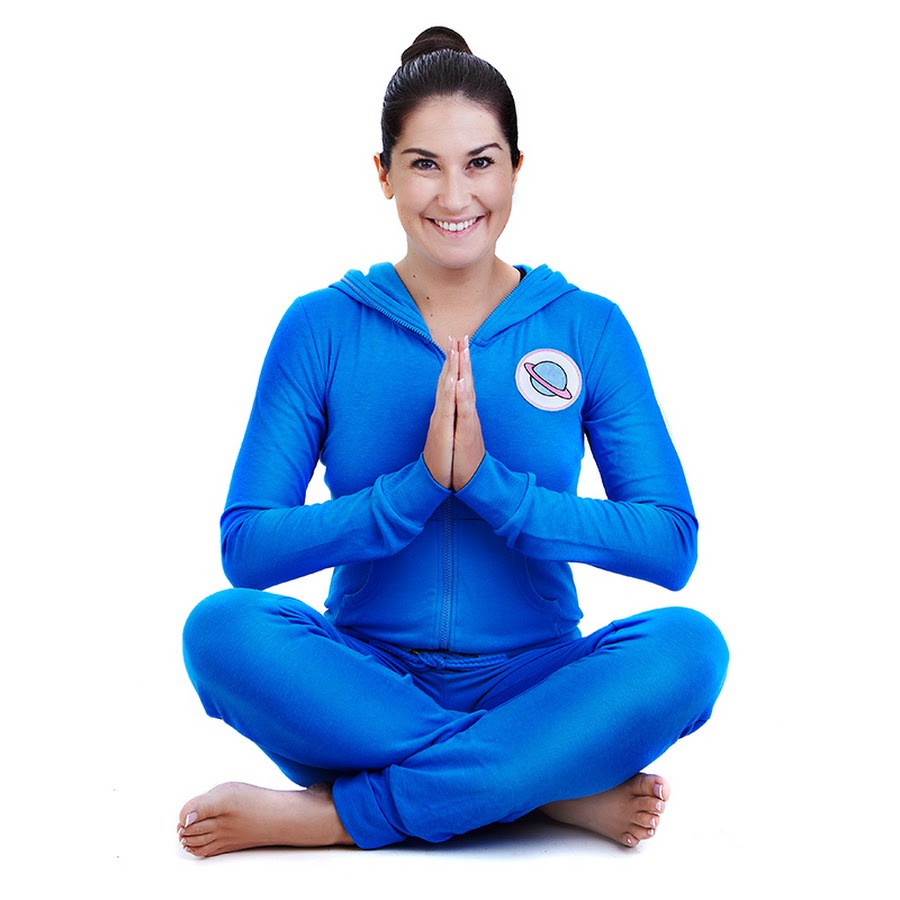
Mindful Movements/Yoga
Mindful Movements/Yoga


Coloring Pages
Coloring Pages
YogaPoseColoringPagesPrintable.pdfGrowthMindsetPostersFREEBIEIncludesbwtouseasColoringPages.pdfMindfulnessColoringPages.pdfHeartColoringPagesforValentinesDay.pdfMindfulnessColoringPages (1).pdfAdditionMathCenterColoringPageFREEColorbyNumber.pdfGratitude Journal
Gratitude Journal
Allow your child or children to have 5 to 10 minutes to write or draw about 3 or more things they’re genuinely thankful for (e.g., having a house, food, a friend, family, inner peace, harmony, good grades, etc.).
Let them know that it’s okay to have repeat entries of what they’re grateful for.
If they can’t think of anything, don’t force them to write something down but prompt them to do any of the mindfulness activities.
Follow this link for gratitude journal prompts if your child or children need prompts to help facilitate thinking: http://www.everup.com/2015/11/24/20-prompts-for-gratitude-journaling/
Podcasts
Podcasts
Peace Out: Short stories that help children calm down and relax by guiding them through visualisation and breathing exercises. Perfect for parents or teachers who want to teach mindfulness and self-regulation. Download the mp3, listen in Apple Podcasts, Google Play, Stitcher, Leela Kids, or listen online at https://bedtime.fm/peaceout
Be Calm on Ahway Island Bedtime Stories: https://www.ahwayisland.com/
Some of the episode focuses on mindfulness

Page updated
Report abuse