Embedded Files
Clothing Ideas
Clothing Ideas
Purpose of pioneer dress
You have the opportunity to become immersed In a Pioneer Trek experience. Dressing in pioneer costume promotes unity within the stake and connects us to with the pioneers who made so many physical sacrifices because of their commitment to the Gospel of Jesus Christ. As we come to understand, in a small measure, the devotion and fortitude of the pioneers, we have the opportunity to determine how we can apply that to modern circumstances that require spiritual, emotional, and mental commitment and resilience. Although Pioneer-style clothing is to be worn during the Trek, use of modern footwear, clothing, headwear, and sunscreen is also included to prevent blisters, chafing, and sunburn.
Where to find Pioneer clothing
Ask friends, family members, board members, Neighbors If they have Pioneer style clothing That they are willing to lend. If you’re willing to sew, Patterns and tutorials can be found online, On YouTube, and on Pinterest. Stores such as Deseret Book and White Elegance offer ready-to-wear pioneer clothing, however, ths is a significantly more expensive option.
Girls’ Pioneer Clothing
Girls’ Pioneer Clothing
Tops should be cotton or cotton blend blouses with long sleeves or 3/4 length sleeves. These may be button-down or peasant-style although a collar is preferable to prevent sunburn on the back and neck. Tops should not be tight or form-fitting.
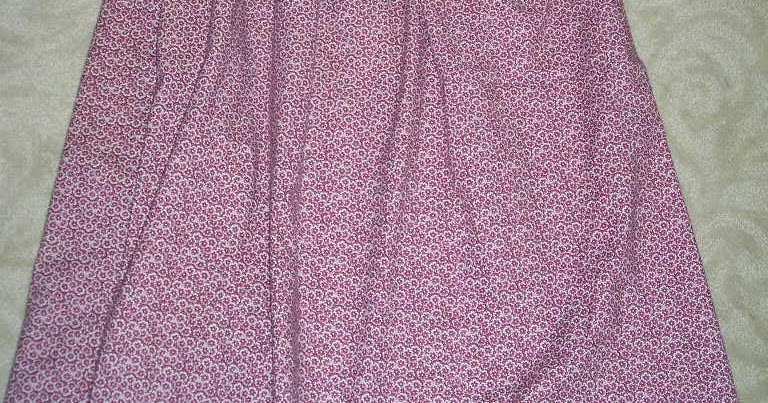
Skirts should be approximately mid calf length so that they are not a tripping hazard and roomy enough to allow for a good walking stride. (Here is an example). Knee or ankle length leggings or scrub style pants should be worn under the skirt for cleanliness and to prevent chafing.
Apron with pockets to carry small items.
A hat or bonnet is important. Many women and girls prefer a straw hat as it is cooler and allows for better visibility than a bonnet.
Shoes should be supportive athletic shoes that have been worn enough that they are comfortable but not so worn that they don’t provide support. It is usually best to buy a new shoes pair of shoes 2 to 3 months before trek and wear them frequently enough prior to trek that they are comfortable and don’t create hot spots on your feet.
Socks are very important to prevent blisters. Blisters make treking extremely painful. A thin nylon sock liner under a wool hiking sock is recommended. Cotton socks should never be worn. https://sectionhiker.com/hiking-socks-and-sock-liners/
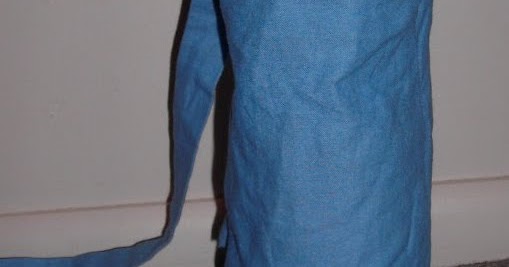
A water bottle should be kept with you at all times. It is best to have a way to attach your water bottle to your apron or skirt or to carry it over your shoulder like this.
Boys’ Pioneer Clothing
Boys’ Pioneer Clothing
Shirts should be button down cotton blend shirts or placket-type neckline. T-shirts should not be worn.
Pants that are Khaki or Docker-type cotton-blend full-length pants. Jeans / Levi’s are not to be worn. Compression shorts such as Under Armour should be worn under trousers to minimize chafing.
Hats are straw or felt. Baseball caps are not appropriate.
Shoes are supportive athletic shoes that have been worn enough that they are comfortable but not so worn that they don’t provide support. It is usually best to buy a new shoes pair of shoes 2 to 3 months before trek and wear them frequently enough prior to trek that they are comfortable and don’t create hot spots on your feet.
Socks are very important to prevent blisters. Blisters make treking extremely painful. A thin nylon sock liner under a wool hiking sock is recommended. Cotton socks should never be worn. https://sectionhiker.com/hiking-socks-and-sock-liners/
A water bottle should be kept with you at all times. It is best to have a way to attach your water bottle to your you waistband or belt loops or carry it with this.
Appropriate clothing Choices Minimize Pain, Illness and Injury
Appropriate clothing Choices Minimize Pain, Illness and Injury
Preventing blisters
- Appropriate shoes. For best protection / prevention It would be wise to purchase new athletic shoes approximately 3 months prior to the Trek and wear them frequently enough that they become comfortable. Shoes that are too old will not provide sufficient protection. Shoes that are too new Will not be comfortable. Hiking boots can be worn if preferred But they are not necessary. If this option is chosen, the boots should be broken in.
- An extra pair of shoes. You’ll be grateful to have an extra pair of shoes to wear at the end of the day To give your feet some reprieve from the shoes you’ve been walking in. This also gives you a back up pair if your walking shoes become wet or muddy.
- Appropriate socks, enough for each day of the Trek plus at least one extra pair. COTTON SOCKS SHOULD NEVER BE WORN. A thin nylon sock liner under a wool hiking sock is preferred. ( More info on two-sock system here. https://sectionhiker.com/hiking-socks-and-sock-liners/) Some people have had success wearing a woman’s knee-high nylon under a wool hiking sock.
An investment in good socks and shoes is the most important money you will spend in Trek preparation. Keeping your feet happy and blister free will make the most difference between a happy Trek experience and a miserable Trek experience.
Websites for ideas and reference
- http://howtodresslikeapioneer.blogspot.com/2010/06/pioneer-apron-tips.html?m=1
- http://howtodresslikeapioneer.blogspot.com/2010/01/water-bottle-cover-tutorial.html?m=1
- http://howtodresslikeapioneer.blogspot.com/2010/06/not-so-pioneer-skirt-tutorial.html?m=1
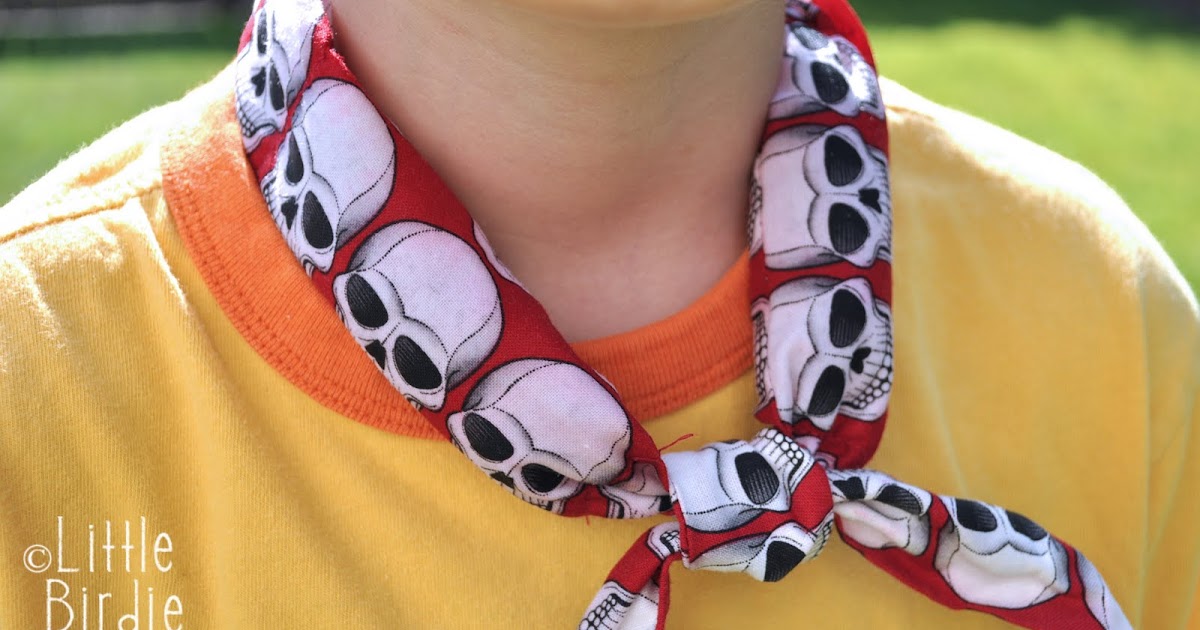
- http://littlebirdiesecrets.blogspot.com/2010/07/how-to-sew-neck-cooler.html?m=1
- https://www.thisgrandmaisfun.com/15-minute-pioneer-shirt-2/


Google Sites
Report abuse